
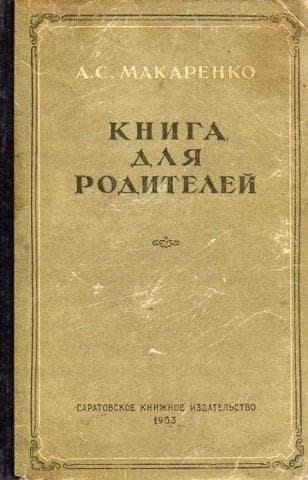
Читаем Воспитание — это не только контроль. Книга о любви детей и родителей полностью
Ребенок и родитель взаимодействуют друг с другом, сталкиваются темпераментами, характерами, историей, создают уникальный мир со своим климатом и своими ежедневными событиями. В результате рождается человеческая личность.
Список литературы
1.
2.
3.
4.
5.
6.
7.
8.
9.
10.
11.
12.
13.
14.
15.
16.
17.
18.
19.
20.
21.
22.
23.
24.
25.
26.
Все книги серии Родителям о детях



Похожие книги




- Попаданцы
- Юмористическая фантастика
- Социально-философская фантастика
- Фэнтези
- Космическая фантастика
- Городское фэнтези
- Боевая фантастика
- ЛитРПГ
- Фантастика
- Современная сказка
- Социально-психологическая фантастика
- Хроноопера
- Ужасы
- Мифологическое фэнтези
- Фантастика: прочее
- РеалРПГ
- Славянское фэнтези
- Бояръ-Аниме
- Мистика
- Историческое фэнтези
- Ироническая фантастика
- Альтернативная история
- Технофэнтези
- Постапокалипсис
- Киберпанк
- Детективная фантастика
- Стимпанк
- Героическая фантастика
- Научная Фантастика
- Эпическая фантастика
- Ненаучная фантастика
- Сказочная фантастика
- Космоопера
- Юмористическое фэнтези
- Ироническое фэнтези
- Ужасы и мистика
- Политические детективы
- Триллер
- Иронический детектив, дамский детективный роман
- Советский детектив
- Классический детектив
- Политический детектив
- Боевик
- Про маньяков
- Детективы
- Медицинский триллер
- Дамский детективный роман
- Техно триллер
- Юридический триллер
- Боевики
- Исторические детективы
- Шпионский детектив
- Прочие Детективы
- Маньяки
- Полицейские детективы
- Исторический детектив
- Шпионские детективы
- Классические детективы
- Триллеры
- Криминальные детективы
- Иронические детективы
- Криминальный детектив
- Крутой детектив
- Визуальная поэзия
- Песенная поэзия
- Лирика
- Визуальная и экспериментальная поэзия, верлибры, палиндромы
- Поэма, эпическая поэзия
- Классическая зарубежная поэзия
- Классическая русская поэзия
- Поэзия Востока
- Современная поэзия
- Классическая поэзия
- Современная зарубежная поэзия
- Современная русская поэзия
- Юмористические стихи, басни
- Верлибры
- Палиндромы
- Экспериментальная поэзия
- Поэзия
- в стихах
- Эпическая поэзия
- Басни
- Религия и духовная литература
- Книги по психологии
- Книги о путешествиях
- Популярно об истории
- Книги о войне
- Юриспруденция
- Военная история
- Альтернативная медицина
- Философия
- Медицина
- Зоология
- Физика
- Литературоведение
- Зарубежная образовательная литература, зарубежная прикладная, научно-популярная литература
- Языкознание, иностранные языки
- Биология, биофизика, биохимия
- Обществознание, социология
- Психология и психотерапия
- Востоковедение
- Химия
- История
- Ботаника
- Экономика
- Альтернативные науки и научные теории
- Научная литература
- Рефераты
- Секс и семейная психология
- Историческая фантастика
- Историческая литература
- Политика
- Геология и география
- Ветеринария
- Экология
- Государство и право
- Астрономия и Космос
- Математика
- Шпаргалки
- Биохимия
- Обществознание
- Педагогика
- Психология
- Учебники
- Иностранные языки
- Детская психология
- Биофизика
- Прочая научная литература
- Языкознание
- Биология
- Психотерапия и консультирование
- Зарубежные детские книги
- Детские детективы
- Школьные учебники
- Учебная литература
- Книги для подростков
- Буквари
- Фантастика для детей
- Детская литература
- Проза для детей
- Классическая детская литература
- Стихи для детей
- Русские сказки
- Зарубежная литература для детей
- Сказки народов мира
- Внеклассное чтение
- Игры, упражнения для детей
- Сказки
- Детская познавательная и развивающая литература
- Детская образовательная литература
- Книги для дошкольников
- Прочая детская литература
- Детские приключения
- Детская проза
- Детские стихи
- Детские остросюжетные
- Детская фантастика
- Книга-игра
- Деловая литература
- Зарубежная деловая литература
- Управление, подбор персонала
- Личная эффективность
- О бизнесе популярно
- Интернет-бизнес
- Банковское дело
- Менеджмент
- Менеджмент и кадры
- Тайм-менеджмент
- Ценные бумаги, инвестиции
- Кадровый менеджмент
- Политическое управление
- Краткое содержание
- Ораторское искусство / риторика
- Работа с клиентами
- Стартапы и создание бизнеса
- Маркетинг, PR, реклама
- Маркетинг, PR
- Финансы
- Карьера, кадры
- Экономика
- Поиск работы, карьера
- Отраслевые издания
- Недвижимость
- Корпоративная культура
- Делопроизводство
- Внешнеэкономическая деятельность
- Бухучет и аудит
- Торговля
- Малый бизнес
- Личные финансы
- Государственное и муниципальное управление
- Прикладная литература
- Спорт / фитнес
- Рукоделие и ремесла
- Изобразительное искусство
- Йога
- Секс / секс-руководства
- Красота
- Мода и стиль
- Эротика и секс
- Домашнее хозяйство
- Интерьеры
- Хобби / увлечения
- Домашние животные
- Коллекционирование
- Хобби и ремесла
- Боевые искусства, спорт
- Домоводство
- Здоровье
- Кулинария
- Развлечения
- Сад и огород
- Педагогика, воспитание детей, литература для родителей
- Медицина и здоровье
- Семейные отношения, секс
- Семейные отношения
- Рыбалка
- Отдых / туризм
- Автомобили и ПДД
- Сделай сам
- Прочее домоводство
- Спорт
- Здоровье и красота
- Охота
- Цифровая обработка сигналов
- Учебные пособия, самоучители
- ОС и Сети, интернет
- Программирование, программы, базы данных
- Компьютерное 'железо' (аппаратное обеспечение), цифровая обработка сигналов
- Зарубежная компьютерная, околокомпьютерная литература
- Компьютерное «железо»
- Базы данных
- ОС и Сети
- Интернет
- Программное обеспечение
- Программирование
- Прочая компьютерная литература
- Малые литературные формы прозы: рассказы, эссе, новеллы, феерия
- Историческая проза
- Контркультура
- Эпистолярная проза
- Русская классическая проза
- Советская классическая проза
- Магический реализм
- Проза
- Зарубежная классическая проза
- Классическая проза ХX века
- Классическая проза ХIX века
- Роман, повесть
- Фантасмагория, абсурдистская проза
- Афоризмы, цитаты
- Экспериментальная, неформатная проза
- Проза о войне
- Современная русская и зарубежная проза
- Классическая проза XVII-XVIII веков
- Афоризмы
- Эпопея
- Феерия
- Семейный роман/Семейная сага
- Эссе, очерк, этюд, набросок
- Средневековая классическая проза
- Современная проза
- Классическая проза
- Готический роман
- Антисоветская литература
- Военная проза
- Проза прочее
- Роман
- Повесть
- Новелла
- Сентиментальная проза
- Рассказ
- Зарубежная справочная литература
- Зарубежные детективы
- Зарубежная прикладная литература
- Зарубежное фэнтези
- Зарубежная религиозная литература
- Зарубежная образовательная литература
- Зарубежная публицистика
- Зарубежная психология
- Зарубежные любовные романы
- Зарубежная поэзия
- Зарубежная классика
- Зарубежная старинная литература
- Зарубежная компьютерная литература
- Зарубежная литература о культуре и искусстве
- Зарубежные приключения
- Современная зарубежная литература
- Зарубежная драматургия
- Зарубежная фантастика
- Зарубежный юмор