
Читаем Возвращаясь на круги своя (СИ) полностью
"Wait a minute! Why am I telling you about my husband? Oh, yes, of course - because I feel myself very lost these days. For you, as an outsider, the latest events here, in Lithuania, might look even more confusing than they do for me. I don"t know. But let me tell you that for us, particularly for those who like myself, fought Nazis during WWII they appeared to be incomprehensible. When we fought fascists, both - domestic and invaders, when in the thirties, we struggled to create a better society here, in Lithuania, we never imagined that it would come to such abrupt and unexpected end, when murderers and bandits could be glorified as national heroes. It is very, very sad for me to see."
"What? You think that it might be reaction to our policies in the past? Of course, I realize that some of our actions made a lot of local people angry - I am not loony or crazy or very old - I am only in the seventies. Sure, we made mistakes. But who does not make them? Everybody does and it is always easier to find mistakes in actions of someone else than to avoid making them yourself. Do you agree with me? We were young and naïve and we trusted imposters and scoundrels, like Stalin, who used us for his own purpose. And sometime we were probably overly zealous or too inflexible in pursuit of our dreams. But we always believed that what we were doing was the right thing to do: we believed that bringing justice and equality to everyone would make the world a much better place. Do you understand me?"
"Well, I don"t know, I cannot argue about that, young man. See, before communists took power in Lithuania, people lived here under the rule of military junta. Dictator Smetona was then the president - so called "the president for life". Have you heard of him? Lithuania was then some sort of "banana republic" - corrupted, undeveloped and poor, like many countries are now in Africa or in Central America. Or like Chile was not that long time ago, remember? When dictator Pinochet was in power. Lithuania was like Chile - there were few people who had power: this Smetona - so called "president", top military officers, appointed by them members of the government, secret police. They used torture and violence to protect their power and their wealth. And then there were others - poor people, majority, those who did not have and never would have any power. Do you understand? It was unfair. Everyone, every human being, is born equal - do you agree with me? The purpose of our struggle was noble, young man: we wanted to bring to all citizens of our country freedom, equality and prosperity. Now new Lithuanian government glorifies Nazi collaborators, bigots and murderers just because we made few mistakes in the past. It sickens me."
"Yes, I heard - nonviolent forms of resistance. Gandhi, Martin Luther King... My husband had Ph.D. in history, young man. But let me remind you about two facts, which could prevent us to use these methods even if we would try to. Do you want to hear about them? Okay, first of all, if you remember, Gandhi (I am not sure if you study this in your capitalist schools) during WWII often tried to undermine Great Britain efforts to fight imperial Japan: he called members of the anti-Nazi coalition to surrender and accept Nazi rule and superiority. He opposed bombing by Allies of Nazi concentration camps because it would undermine his theory of not resisting murder by violent means. He suggested Jews to go to gas chambers voluntarily. He was willing to sacrifice millions of lives in China and Europe in order to achieve independence for India. He was a very, very selfish person! He was a nationalist. He did not care if millions of innocent non-Indian people would die or become slaves as long as India could gain its independence. That was disgusting. No, I am sorry young man; but he could not be our role model, example for imitation. We were internationalists and not nationalists and chauvinists like Mr. Gandhi and Nazis. And, besides, there was one more, even more serious reason why we could not succeed with such non-violent tactic. You may notice that it succeeded only against democratic governments like Great Britain and USA. Military junta, on another hand, as a rule, does not consist of overly conscientious people, young man."
Похожие книги
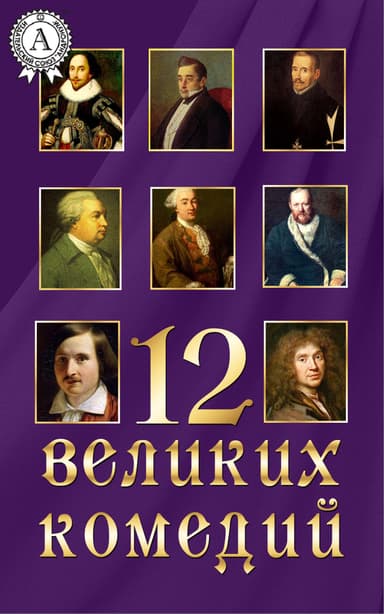
12 великих комедий
Коллектив авторов , Александр Васильевич Сухово-Кобылин , Александр Николаевич Островский , Жан-Батист Мольер , Педро Кальдерон , Пьер-Огюстен Карон де Бомарше
Драматургия / Проза / Зарубежная классическая проза / Античная литература / Европейская старинная литература / Прочая старинная литература / Древние книги

- Попаданцы
- Юмористическая фантастика
- Социально-философская фантастика
- Фэнтези
- Космическая фантастика
- Городское фэнтези
- Боевая фантастика
- ЛитРПГ
- Фантастика
- Современная сказка
- Социально-психологическая фантастика
- Хроноопера
- Ужасы
- Мифологическое фэнтези
- Фантастика: прочее
- РеалРПГ
- Славянское фэнтези
- Бояръ-Аниме
- Мистика
- Историческое фэнтези
- Ироническая фантастика
- Альтернативная история
- Технофэнтези
- Постапокалипсис
- Киберпанк
- Детективная фантастика
- Стимпанк
- Героическая фантастика
- Научная Фантастика
- Эпическая фантастика
- Ненаучная фантастика
- Сказочная фантастика
- Космоопера
- Юмористическое фэнтези
- Ироническое фэнтези
- Ужасы и мистика
- Политические детективы
- Триллер
- Иронический детектив, дамский детективный роман
- Советский детектив
- Классический детектив
- Политический детектив
- Боевик
- Про маньяков
- Детективы
- Медицинский триллер
- Дамский детективный роман
- Техно триллер
- Юридический триллер
- Боевики
- Исторические детективы
- Шпионский детектив
- Прочие Детективы
- Маньяки
- Полицейские детективы
- Исторический детектив
- Шпионские детективы
- Классические детективы
- Триллеры
- Криминальные детективы
- Иронические детективы
- Криминальный детектив
- Крутой детектив
- Визуальная поэзия
- Песенная поэзия
- Лирика
- Визуальная и экспериментальная поэзия, верлибры, палиндромы
- Поэма, эпическая поэзия
- Классическая зарубежная поэзия
- Классическая русская поэзия
- Поэзия Востока
- Современная поэзия
- Классическая поэзия
- Современная зарубежная поэзия
- Современная русская поэзия
- Юмористические стихи, басни
- Верлибры
- Палиндромы
- Экспериментальная поэзия
- Поэзия
- в стихах
- Эпическая поэзия
- Басни
- Религия и духовная литература
- Книги по психологии
- Книги о путешествиях
- Популярно об истории
- Книги о войне
- Юриспруденция
- Военная история
- Альтернативная медицина
- Философия
- Медицина
- Зоология
- Физика
- Литературоведение
- Зарубежная образовательная литература, зарубежная прикладная, научно-популярная литература
- Языкознание, иностранные языки
- Биология, биофизика, биохимия
- Обществознание, социология
- Психология и психотерапия
- Востоковедение
- Химия
- История
- Ботаника
- Экономика
- Альтернативные науки и научные теории
- Научная литература
- Рефераты
- Секс и семейная психология
- Историческая фантастика
- Историческая литература
- Политика
- Геология и география
- Ветеринария
- Экология
- Государство и право
- Астрономия и Космос
- Математика
- Шпаргалки
- Биохимия
- Обществознание
- Педагогика
- Психология
- Учебники
- Иностранные языки
- Детская психология
- Биофизика
- Прочая научная литература
- Языкознание
- Биология
- Психотерапия и консультирование
- Зарубежные детские книги
- Детские детективы
- Школьные учебники
- Учебная литература
- Книги для подростков
- Буквари
- Фантастика для детей
- Детская литература
- Проза для детей
- Классическая детская литература
- Стихи для детей
- Русские сказки
- Зарубежная литература для детей
- Сказки народов мира
- Внеклассное чтение
- Игры, упражнения для детей
- Сказки
- Детская познавательная и развивающая литература
- Детская образовательная литература
- Книги для дошкольников
- Прочая детская литература
- Детские приключения
- Детская проза
- Детские стихи
- Детские остросюжетные
- Детская фантастика
- Книга-игра
- Деловая литература
- Зарубежная деловая литература
- Управление, подбор персонала
- Личная эффективность
- О бизнесе популярно
- Интернет-бизнес
- Банковское дело
- Менеджмент
- Менеджмент и кадры
- Тайм-менеджмент
- Ценные бумаги, инвестиции
- Кадровый менеджмент
- Политическое управление
- Краткое содержание
- Ораторское искусство / риторика
- Работа с клиентами
- Стартапы и создание бизнеса
- Маркетинг, PR, реклама
- Маркетинг, PR
- Финансы
- Карьера, кадры
- Экономика
- Поиск работы, карьера
- Отраслевые издания
- Недвижимость
- Корпоративная культура
- Делопроизводство
- Внешнеэкономическая деятельность
- Бухучет и аудит
- Торговля
- Малый бизнес
- Личные финансы
- Государственное и муниципальное управление
- Прикладная литература
- Спорт / фитнес
- Рукоделие и ремесла
- Изобразительное искусство
- Йога
- Секс / секс-руководства
- Красота
- Мода и стиль
- Эротика и секс
- Домашнее хозяйство
- Интерьеры
- Хобби / увлечения
- Домашние животные
- Коллекционирование
- Хобби и ремесла
- Боевые искусства, спорт
- Домоводство
- Здоровье
- Кулинария
- Развлечения
- Сад и огород
- Педагогика, воспитание детей, литература для родителей
- Медицина и здоровье
- Семейные отношения, секс
- Семейные отношения
- Рыбалка
- Отдых / туризм
- Автомобили и ПДД
- Сделай сам
- Прочее домоводство
- Спорт
- Здоровье и красота
- Охота
- Цифровая обработка сигналов
- Учебные пособия, самоучители
- ОС и Сети, интернет
- Программирование, программы, базы данных
- Компьютерное 'железо' (аппаратное обеспечение), цифровая обработка сигналов
- Зарубежная компьютерная, околокомпьютерная литература
- Компьютерное «железо»
- Базы данных
- ОС и Сети
- Интернет
- Программное обеспечение
- Программирование
- Прочая компьютерная литература
- Малые литературные формы прозы: рассказы, эссе, новеллы, феерия
- Историческая проза
- Контркультура
- Эпистолярная проза
- Русская классическая проза
- Советская классическая проза
- Магический реализм
- Проза
- Зарубежная классическая проза
- Классическая проза ХX века
- Классическая проза ХIX века
- Роман, повесть
- Фантасмагория, абсурдистская проза
- Афоризмы, цитаты
- Экспериментальная, неформатная проза
- Проза о войне
- Современная русская и зарубежная проза
- Классическая проза XVII-XVIII веков
- Афоризмы
- Эпопея
- Феерия
- Семейный роман/Семейная сага
- Эссе, очерк, этюд, набросок
- Средневековая классическая проза
- Современная проза
- Классическая проза
- Готический роман
- Антисоветская литература
- Военная проза
- Проза прочее
- Роман
- Повесть
- Новелла
- Сентиментальная проза
- Рассказ
- Зарубежная справочная литература
- Зарубежные детективы
- Зарубежная прикладная литература
- Зарубежное фэнтези
- Зарубежная религиозная литература
- Зарубежная образовательная литература
- Зарубежная публицистика
- Зарубежная психология
- Зарубежные любовные романы
- Зарубежная поэзия
- Зарубежная классика
- Зарубежная старинная литература
- Зарубежная компьютерная литература
- Зарубежная литература о культуре и искусстве
- Зарубежные приключения
- Современная зарубежная литература
- Зарубежная драматургия
- Зарубежная фантастика
- Зарубежный юмор